

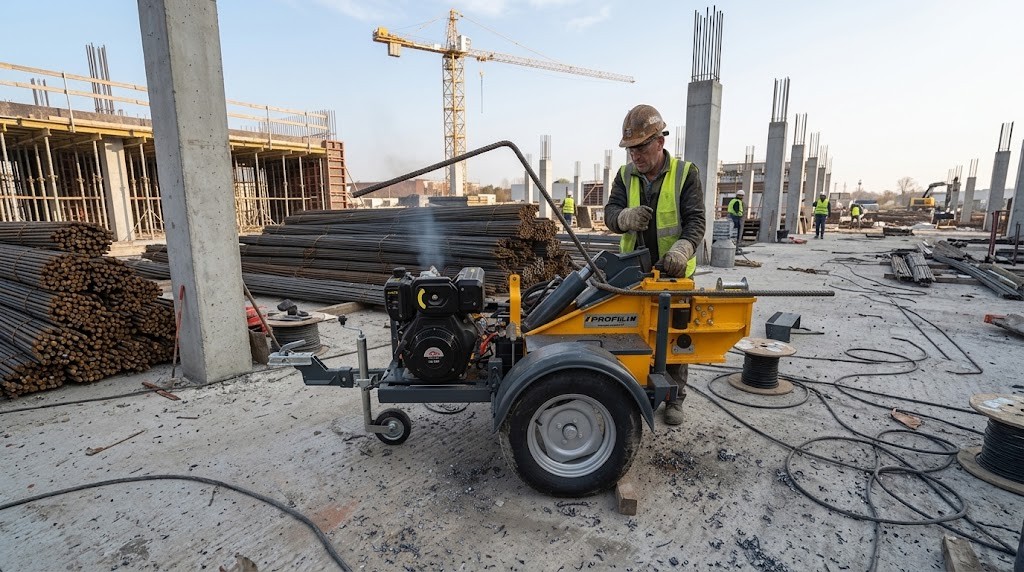
A combined bar bending machineis used to perform rebar cutting and bending on a single machine. For correct use, the diameter of the rebar to be processed, the desired bending angle, the cutting length and the machine's technical capacity should be determined first. Before starting work, the operator should check the blades, bending attachments, moving parts and control systems.
The basic operating sequence is as follows:
Determining the properties of the rebar to be processed
Checking the machine and the work area
Setting up the cutting or bending attachments properly
Placing the rebar in the correct position
Performing the operation in a controlled manner
Carrying out cleaning and maintenance checks at the end of work
Göçmenler Group combined bar bending machine options help businesses that want to manage cutting and bending operations in the same work area plan their production processes more efficiently.
Before starting the machine, check that the diameter of the rebar to be used and the planned operation are within the machine's capacity. There should be no condition on the cutting blades, bending pins, disc or connection points that could affect operating safety.
A tidy work area also directly affects operation quality. Sufficient space should be left on the infeed and outfeed sides of the machine so that long bars can be moved easily.
“A combined bar bending machine should be used only after the correct attachments and operating settings have been completed before work begins.”
The key point in practice is to recheck the machine settings when switching between rebar of different diameters and properties. This approach supports more controlled results in both cutting and bending.
For cutting, the rebar is placed properly in the blade system and the operation is started after the desired length is checked. The rebar should be positioned steadily and in a controlled way rather than fed to the blades at an angle or unevenly.
For bending, the appropriate pin and attachment are selected. After the rebar is placed on the bending table, the machine is set according to the target angle and the operation is carried out in a controlled manner.
| Operation | Checkpoint | Purpose |
| Cutting | Rebar diameter and cutting length | Cutting to the correct length |
| Bending | Pin and angle setting | Desired bending shape |
| Positioning | Fixed position of the rebar | Controlled operation |
| Operation | Machine capacity | Preventing system overload |
| End of work | Blade and mechanism check | Consistent long-term use |
“Cutting and bending performance depends on correct machine settings and correct positioning of the material.”
When evaluating Göçmenler Group products, the rebar diameters used by the business and the daily processing volume can be taken into account.
While a combined bar bending machine is running, the operator must keep a safe distance from moving parts. No manual intervention should be made around the blade, disc or bending mechanism while the machine is running.
It is important to keep clear the areas where the rebar may move uncontrollably during operation. Especially when working with long materials, other personnel should not enter the working line.
“Adjustments, cleaning or attachment changes on the machine should only be carried out after operation has completely stopped.”
In continuous use, having operators follow the same working procedure ensures a more orderly production flow. Thanks to the combined design, performing cutting and bending at a single point can, with the right work plan, reduce operation transitions within the workshop.
Getting the expected performance from a combined bar bending machine starts with choosing a model of the right capacity. The rebar diameters the business uses most often, the daily workload, the work area and the cutting-bending intensity should be evaluated together in the purchasing decision.
Maintenance access, ease of use of the blades and bending attachments, mechanical structure and technical support options are also important for long-term use.
When evaluating Göçmenler Group combined bar bending machines, it is useful to determine the following criteria:
Choosing the right combined bar bending machine allows cutting and bending operations to be carried out in a more controlled way within a single work routine. Göçmenler Group product options help businesses make the right machine choice by evaluating their production capacity and usage requirements.